
Nobody posts a behind-the-scenes reel of a pre-production meeting. There's no drone shot of a call sheet, no slow-motion of a shot list being finalised. And yet ask any experienced director where a project is won or lost and they'll point not at the shoot, but at the quiet, meticulous week before it. Pre-production is the least glamorous phase of any project and, by a wide margin, the most decisive.
The unglamorous truth
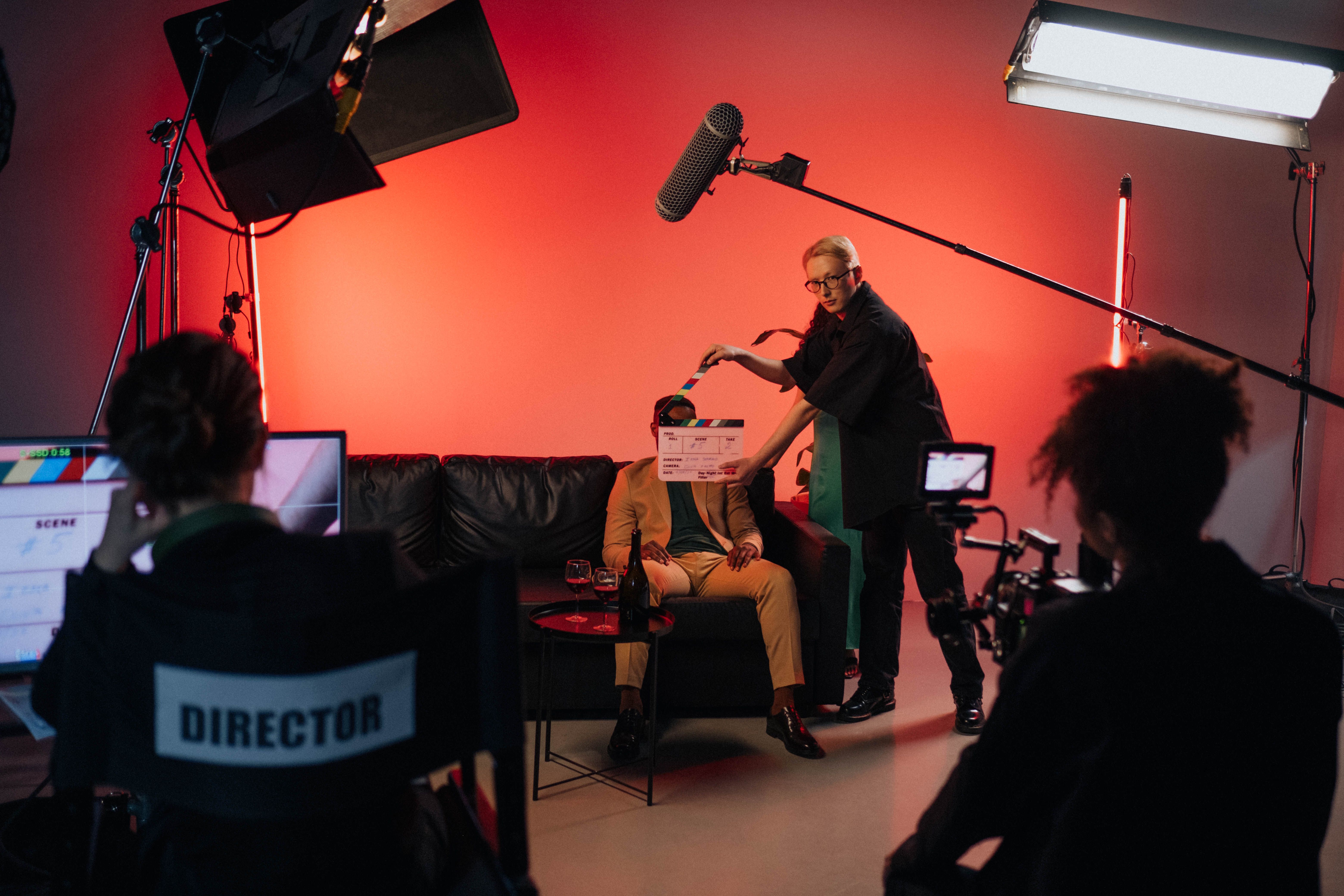
A film set on a good day looks like controlled excitement. On a bad day it looks like controlled panic. The difference between the two is almost never talent or budget — it's how thoroughly the day was planned before anyone showed up. The shoot is where you execute decisions. Pre-production is where you make them, calmly, with time to think. Trying to make big creative decisions on set, with a crew standing around and the light changing, is the most expensive way to work there is.
What a bad shoot day actually costs
People underinvest in planning because planning feels free and shooting feels expensive. It's exactly backwards. An hour lost in a planning meeting costs an hour. An hour lost on set costs the crew, the cast, the location, the equipment, the light and the momentum — all at once, and often unrecoverably. The most expensive words in production are \"we'll figure it out on the day.\" Sometimes you figure it out. Often you settle, and the settle is on screen forever.
Every decision you move from the set into pre-production gets cheaper, calmer and usually better. Preparation isn't a cost centre — it's the highest-leverage time on the whole project.
Planning is where creativity lives
Here's the part people miss: pre-production isn't the opposite of creativity, it's where most of it happens. The shot list, the boards, the look development, the location scout — these aren't administrative chores, they're the medium in which the creative decisions actually get made. By the time the camera rolls, the film has largely been designed. The shoot is where you capture a vision that was authored in advance.
This is why we treat pre-production as a creative phase, not a logistical one. The room where we build the shot list is doing more to shape the final film than any moment on set will.

The elements of real pre-production
Thorough preparation isn't mysterious. It's a set of documents and conversations, each one removing a category of on-set uncertainty:
- The treatment — the vision written down, so everyone is chasing the same film.
- Boards and shot lists — every setup planned, so no shot is invented under pressure.
- Look development — references, lighting and grade direction agreed before the day.
- The recce — knowing the location's light, sound and problems in advance.
- The schedule — a realistic plan for the day that respects the light and the crew.
None of it is glamorous. All of it is the difference between a shoot that flows and one that fights you.
Preparation buys freedom
The paradox at the heart of it: rigorous planning doesn't kill spontaneity, it enables it. When you've nailed every planned shot by lunch because the day was mapped, you have the time and calm to chase the unplanned magic — the happy accident, the better idea that only appears in the moment. Improvisation is a luxury you earn by being prepared. Chaos, by contrast, leaves no room for inspiration; it's too busy surviving.
Plan so thoroughly that you're free to throw the plan away when something better appears.— How I'd sum up our approach to a shoot
Can you over-plan?
You can — but not in the way people fear. Over-planning isn't preparing too much; it's clinging to the plan when reality offers something better. The goal isn't a plan you execute robotically. It's a foundation so solid that you can respond to the day from a position of confidence rather than fear. Prepare like everything depends on it, then hold the plan loosely enough to improve on it.
A form of respect
Finally, obsessive pre-production is a form of respect — for the crew whose day you're directing, for the client whose budget you're spending, and for the idea you promised to serve. Showing up prepared says: your time matters, this work matters, and I did the unglamorous part so the glamorous part could actually shine. That respect is felt on set, and it shows up on screen.
If you'd rather work with a studio that treats the planning week as seriously as the shoot day, that's us — let's talk.