
Turn the sound off on your favourite film and watch a scene that once gave you chills. It's inert. The performances are the same, the images are the same, and yet the magic is gone. That missing magic was never really in the picture. It was in the sound — the half of storytelling you were never meant to notice, quietly doing an enormous amount of the emotional work.
The most powerful thing you don't notice
Great sound design is invisible by design. When it's working, you don't think \"what wonderful sound\" — you just believe the world on screen and feel what it wants you to feel. The moment sound draws attention to itself, something has usually gone wrong. This invisibility is exactly why it's undervalued: audiences credit the picture for effects that the soundtrack is actually producing.
Sound builds the space
A picture shows you a room. Sound tells you what the room is. The size of a space, the material of its walls, whether it's warm or hostile, whether you're safe in it — almost all of that arrives through your ears. Close your eyes in any building and you can hear its dimensions. Film exploits this constantly. The reverb tail on a footstep, the distant traffic bleeding through a window, the low hum of a fluorescent light: each one is quietly convincing you that a place is real.
Next time a location feels instantly \"right\" in a film, listen instead of looking. The believability is usually in the background sound doing work the eye takes for granted.
Sound tells you how to feel
Beyond building worlds, sound steers emotion with startling precision. A rising tone under a still image creates dread the image alone never earned. A warm low swell turns an ordinary reunion into something that catches in your throat. The picture can stay completely neutral while the sound decides whether a moment reads as tender, tense or triumphant. Directors have always known this — it's why they'll fight for the right cue and let the wrong one ruin a perfect shot.

The power of taking sound away
The most underrated tool in sound design is the absence of it. A sudden cut to near-silence can hit harder than any swell. Silence focuses attention, creates unbearable anticipation, and gives the next sound somewhere to land. A soundtrack with no quiet in it is like a page with no white space — exhausting, and unable to emphasise anything because everything is loud at once.
You can't have a loud moment without a quiet one to measure it against. Contrast is the whole craft.— Something I tell every assistant on their first mix
Score vs. sound design
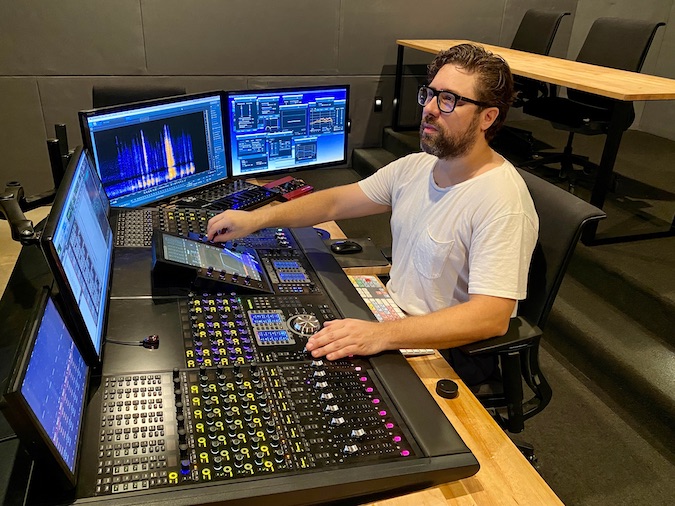
People often blur the two, but they play different roles. Score is the emotional narrator — music written to shape how a scene feels. Sound design is the physical world — the footsteps, textures, room tones and effects that make it real. The best soundtracks weave them so tightly you can't tell where the world ends and the music begins: a machine's hum bends into a drone, a heartbeat becomes a rhythm. When score and sound design speak the same language, a scene feels inevitable.
Why we bring sound in early
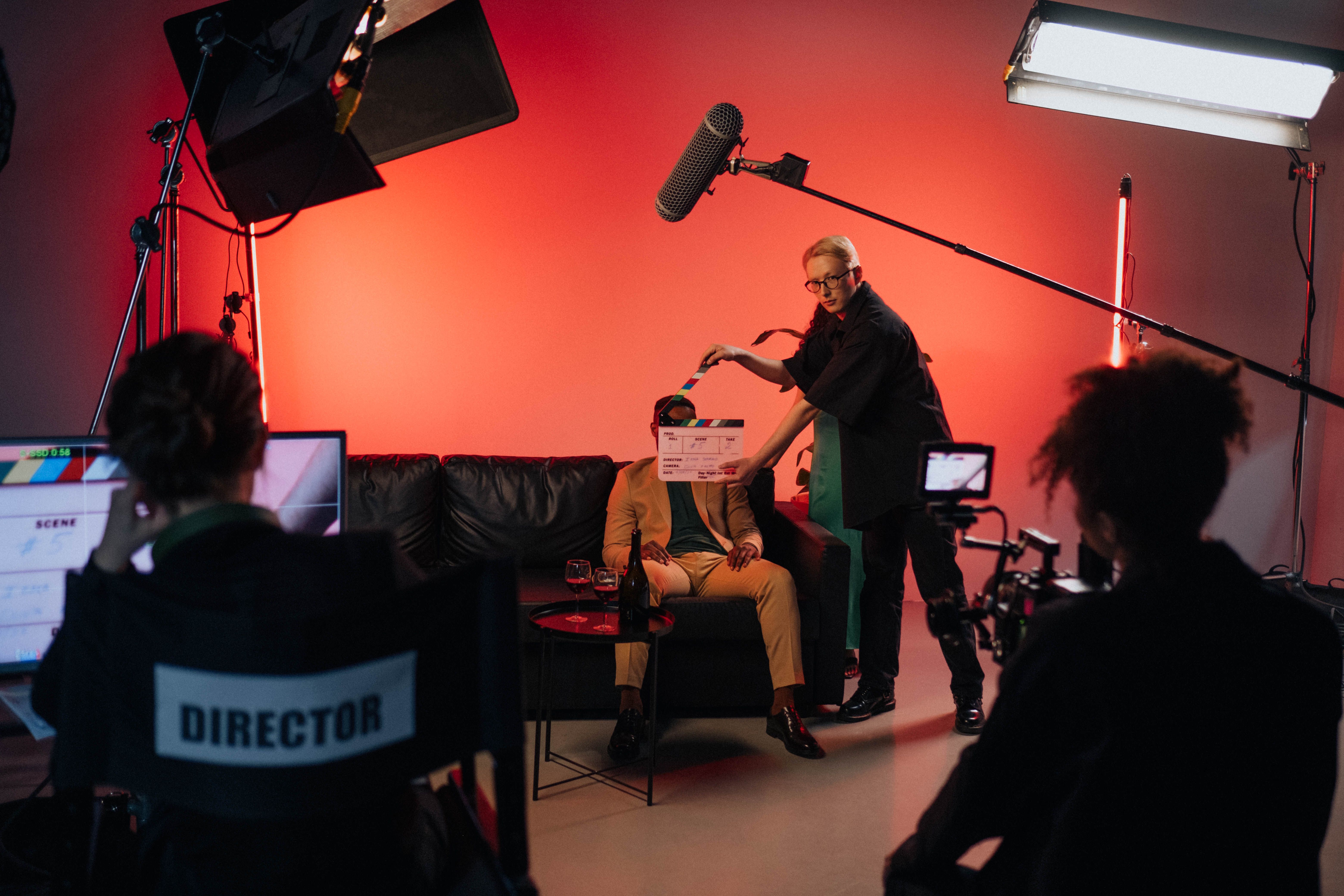
The costly mistake is treating sound as the last thing you bolt on before delivery. By then the edit is locked and sound is reduced to decorating decisions already made. When we bring sound thinking in early — during the edit, sometimes during the shoot — it can shape pacing, inform what we capture on the day, and become part of the storytelling rather than a coat of paint. Sound is not post-production garnish. It's a lens you can compose through from the start.
Start listening
The best way to appreciate any craft is to start noticing it. Watch a scene twice — once looking, once listening. You'll begin to hear the decisions: the sound that isn't there, the tone doing the heavy lifting, the silence setting up the hit. Once you hear it, you'll never take a great soundtrack for granted again.
If you're making something and want it to sound as considered as it looks, sound and score is one of the things we love most.