

Nobody can guarantee a campaign goes viral. Anyone who tells you otherwise is selling something. But there's a wide gap between \"guaranteed\" and \"random\" — and good studios live in that gap. Virality can't be manufactured, but the conditions for it can be engineered. Here's how we think about giving a campaign the best possible chance.
The myth of the viral formula
The internet is littered with formulas: post at this time, use this many words, add this kind of hook. They're mostly cargo cult — patterns copied from things that worked, with no understanding of why they worked. Formulas describe the past. They can't create the future, because the moment a formula is widely known, following it makes you invisible. If everyone zigs the same way, the zig stops being interesting.
Why people actually share
Sharing is a social act, not a media act. When someone shares your work, they're not doing you a favour — they're saying something about themselves. Every share is a small performance of identity: this is funny and so am I; this is smart and so am I; this moved me and here's who I am. Understand that and the whole problem reframes. You're not trying to make content people like. You're trying to make content people want to be seen liking.
Before anything ships, we ask: what does sharing this say about the person who shares it? If the honest answer is \"nothing\", it won't travel — no matter how polished it is.
It starts with an uncomfortable truth
The campaigns that spread are almost always built on a truth people recognise but rarely see said out loud. A tension everyone feels and no one names. When a piece of work articulates that truth precisely, it produces a jolt of recognition — yes, exactly, that's it — and recognition is intensely shareable. Blandness never spreads because there's nothing to recognise.
This is why the strategy phase matters more than the production phase. You can polish an average idea forever and it will stay average. Find the sharp, true insight first, and the rest of the process has something worth serving.
Build in the tension
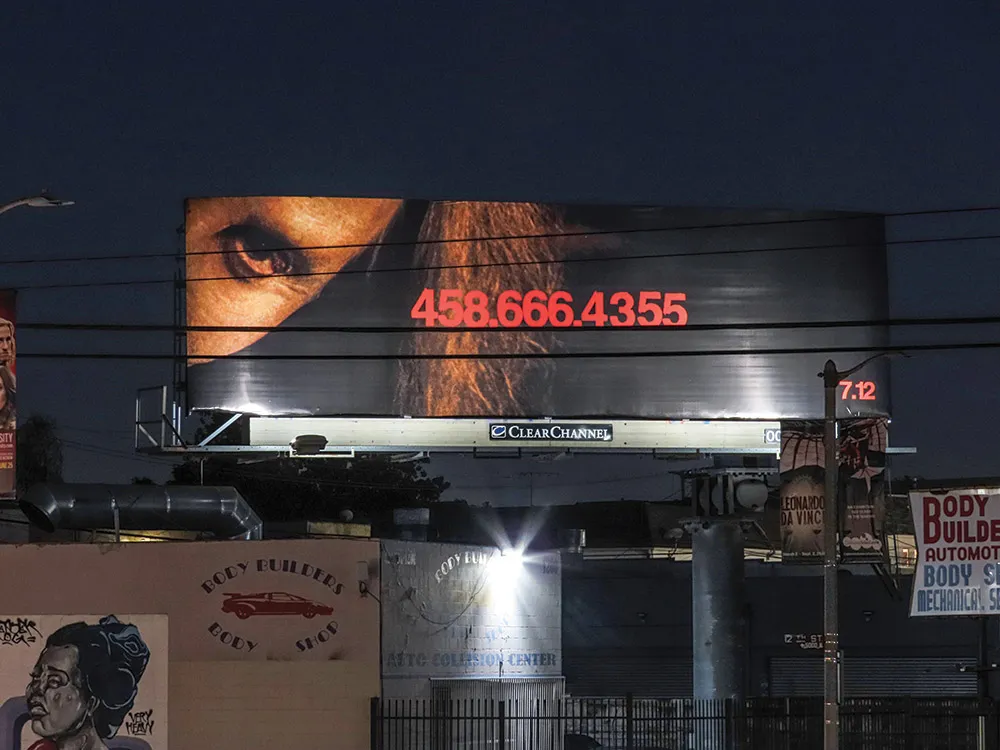
Like a good film, a campaign needs tension — a gap that makes people lean in. In social, that often means a deliberate incompleteness: something that invites a reaction, a stitch, a duet, an argument, a \"finally someone said it\". Work that leaves no room for the audience to add to it tends to sit still. Work that hands people a way to participate tends to move.
Don't make something people watch. Make something people can't help but respond to.— The brief behind our most-shared campaign
Timing is a craft, not an accident
Timing gets treated as luck, but a lot of it is craft. It's about reading the cultural moment — what people are already talking about, what mood the feed is in, what's overexposed and what's hungry for a fresh take. A perfectly good idea launched into the wrong week dies quietly. The same idea, tuned to a live conversation, catches. We spend real effort on the when, not just the what.
Seeding without forcing
There's a delicate art to the launch. Push too hard and it reads as manufactured, which is death — audiences can smell a try-hard. Push too soft and good work never finds its first thousand people. We seed deliberately but quietly, giving the work to the audiences most likely to genuinely love it and let it spread on its own merits. The goal is to remove friction from something that already wants to move, not to shove something that doesn't.
Making your own luck
Put all of this together — a true insight, real tension, a shareable identity payoff, sharp timing and honest seeding — and you haven't guaranteed anything. What you've done is stack the odds heavily in your favour and give the work a fighting chance to catch fire. Do that consistently and, across enough campaigns, some of them will. That's not luck. That's making your own.
What virality is really for
One last honesty: virality is a means, not an end. Reach that doesn't change how people feel about a brand is a vanity metric with a big number attached. The campaigns worth making aim past the share count at something that lasts — a shift in perception, a new association, a reason to care. Get that right and the numbers are a happy side effect of work that actually mattered.
Thinking about a campaign and want a partner who starts with the idea, not the media plan? Let's talk it through.